
Blackjack-Oak West
Hilly, wooded terrain gives ticks shaded, humid cover.
Veteran-Owned · Serving All of McClain County
Wooded acreage, blackjack-oak country, and brushy river edges make McClain County high-risk for ticks, and pets track fleas indoors from every yard. Armory treats the yard where the life cycle lives, so your family and pets stay protected.
Fleas and ticks live where tall grass, brush, and wildlife meet the yard, and McClain County offers all three. Its rural acreage, hilly blackjack-oak terrain in the west, and wooded creek and river edges give ticks the shaded, humid cover they need to wait for a host. Deer, rabbits, raccoons, and other wildlife move along those corridors and drop ticks and fleas across the property, seeding the yard long before your pet ever picks one up.
Pets are the bridge indoors. A dog that runs a wooded acreage lot or a cat that roams near the Canadian or Washita bottomland carries fleas and ticks back to the house, where fleas lay eggs in carpet, bedding, and yard soil. Because most of the flea life cycle happens off the animal, treating only the pet leaves the yard reservoir untouched, and the problem returns. Armory treats the yard where fleas and ticks actually breed and hide, focusing on the shaded edges and wildlife paths that drive the pressure.
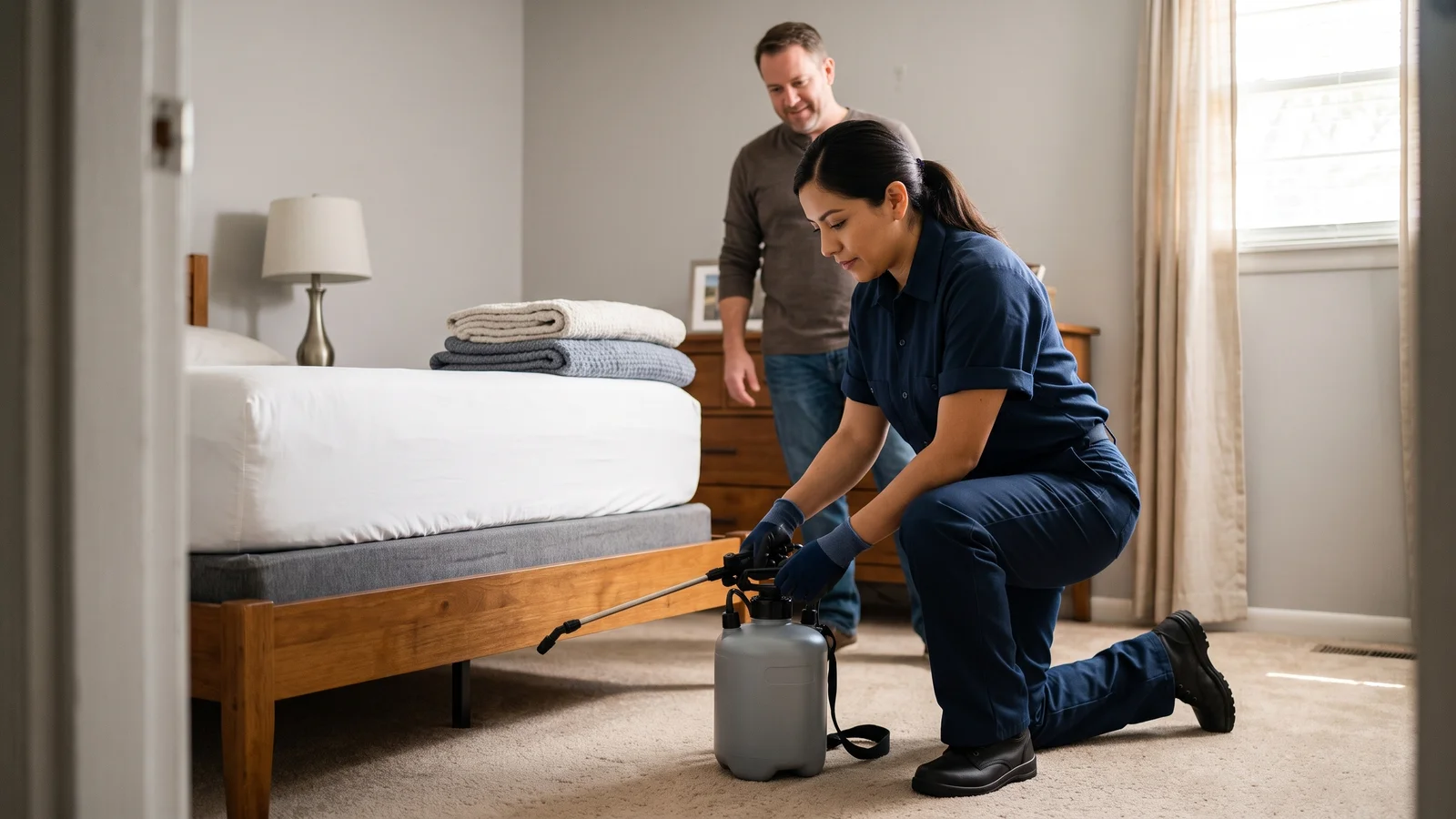
Yard treatment tuned to wooded, wildlife-heavy acreage.
We treat where fleas and ticks breed, not just where you see them.
We hit the shaded, brushy edges where ticks wait for a host.
We treat the paths deer and wildlife use to seed the yard.
Careful, EPA-approved treatment that protects the whole family.
Recurring visits keep flea and tick numbers down all season.
Month-to-month service with free re-treatments between visits.
Woodland, acreage, and wildlife paths drive the risk.
Hilly, wooded terrain gives ticks shaded, humid cover.
Tall grass and brush along property edges harbor ticks.
Brushy Canadian and Washita bottomland holds moisture and hosts.
Deer and small mammals drop fleas and ticks across the yard.
Cool, damp fence lines and tree lines shelter both pests.
Where pets lounge outdoors becomes a flea egg reservoir.
We find the shaded edges, brush, and wildlife paths driving pressure.
We target flea and tick harborage across the yard and its borders.
We treat to interrupt eggs and larvae, not just adult pests.
We return through the season to keep numbers from rebuilding.
We are on acreage with woods behind us and the dogs kept bringing in ticks. After they treated the yard edges it dropped off fast. Very happy.
Very knowledgeable. I have him handle pest issues at all of my houses. Quick to respond and gets it done right. Highly recommend.
Could not have had a better experience. They explained the plan, came out fast, and I saw results the first week. Highly recommend Armory.
Most of the flea life cycle happens off the animal. Adult fleas feed on a pet, but their eggs, larvae, and pupae develop in yard soil, carpet, and bedding. Treating only the pet, or only indoors, leaves that reservoir in place, so the fleas come right back. Real control means treating the yard where the cycle actually lives.
Ticks work differently but point to the same place. They wait in tall grass and shaded brush for a host to brush past, which is why the wooded edges of a McClain County acreage lot carry the most risk. Wildlife moving along creek and river corridors drops ticks across the property, seeding areas far from the house.
We focus on the shaded borders, brush lines, and wildlife paths that drive the pressure, and treat to interrupt the life cycle, not just knock down the adults. On wooded acreage and river-edge lots, a recurring seasonal plan keeps fleas and ticks from rebuilding as new wildlife passes through.
Get a free inspection from a licensed, veteran-owned team that knows the county's wooded acreage and wildlife paths. We treat the yard where fleas and ticks breed, with no contracts and seasonal plans from Newcastle to Purcell.