
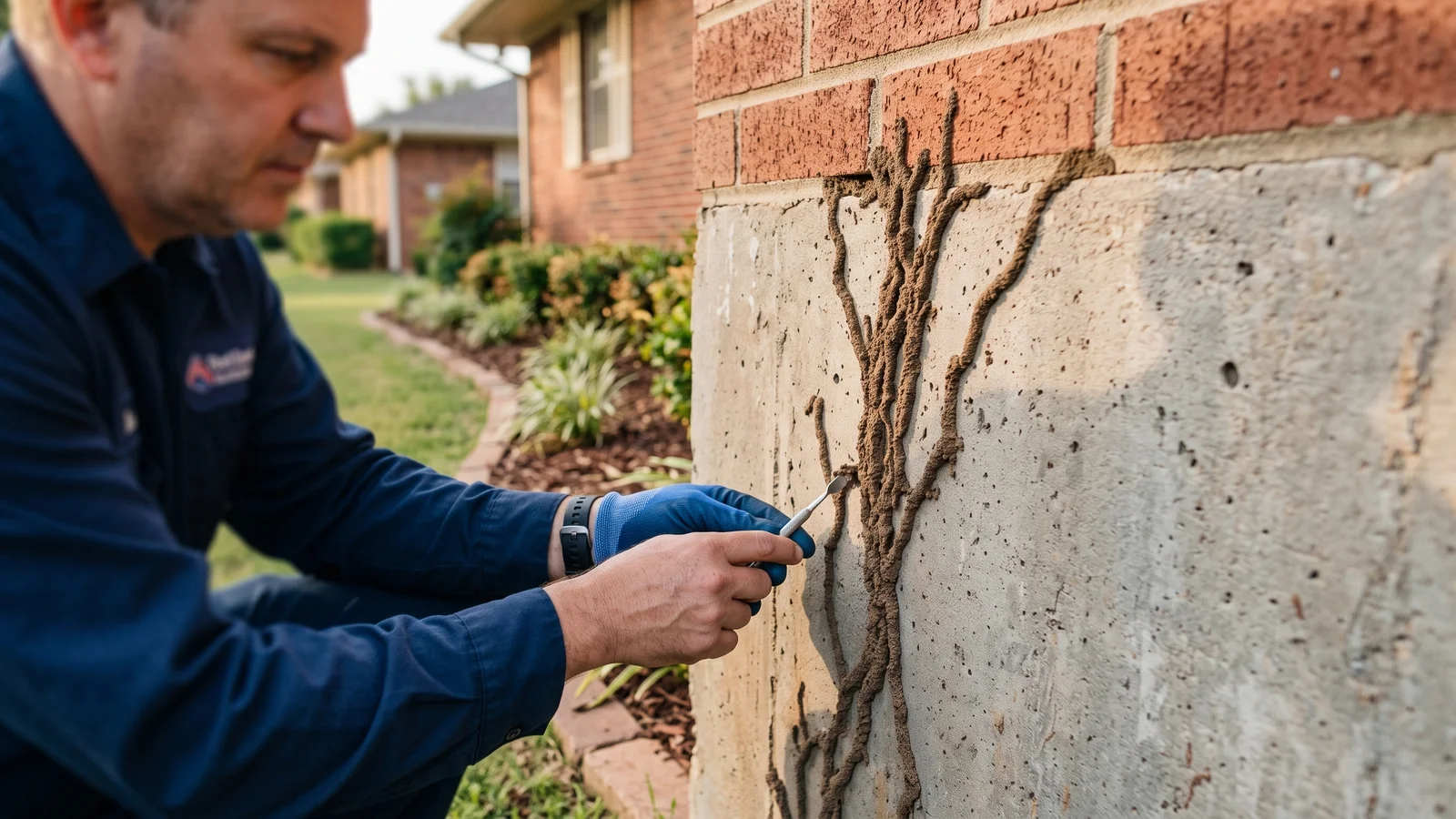
Canadian River Bottomland
The northern border's brushy, damp ground breeds mosquitoes.
Veteran-Owned · Serving All of McClain County
The Canadian River runs the county's entire northern border and the Washita touches the southwest, and both feed mosquito breeding all summer. Armory treats the resting spots and breeding sites so you can use your McClain County yard again.
Mosquitoes need standing water to breed, and McClain County has water on two sides. The Canadian River forms the county's entire northern border and drains much of the land, while the Washita River runs near the southwestern corner. Their low, brushy bottomlands hold the still water and shade mosquitoes rely on, and yards near the rivers feel it most through the warm months. County creeks and drainages add even more breeding habitat away from the main rivers.
The land itself keeps mosquitoes close to home. Level lowlands in the southeast drain slowly and hold water after rain, and rural acreage often has ponds, tanks, ditches, and tree-shaded yards that shelter adult mosquitoes during the day. Even small sources like clogged gutters, buckets, and low spots can breed hundreds of mosquitoes. Armory finds and treats those breeding sites, then knocks down the resting adults in the shaded areas where they wait, so your yard becomes usable again.
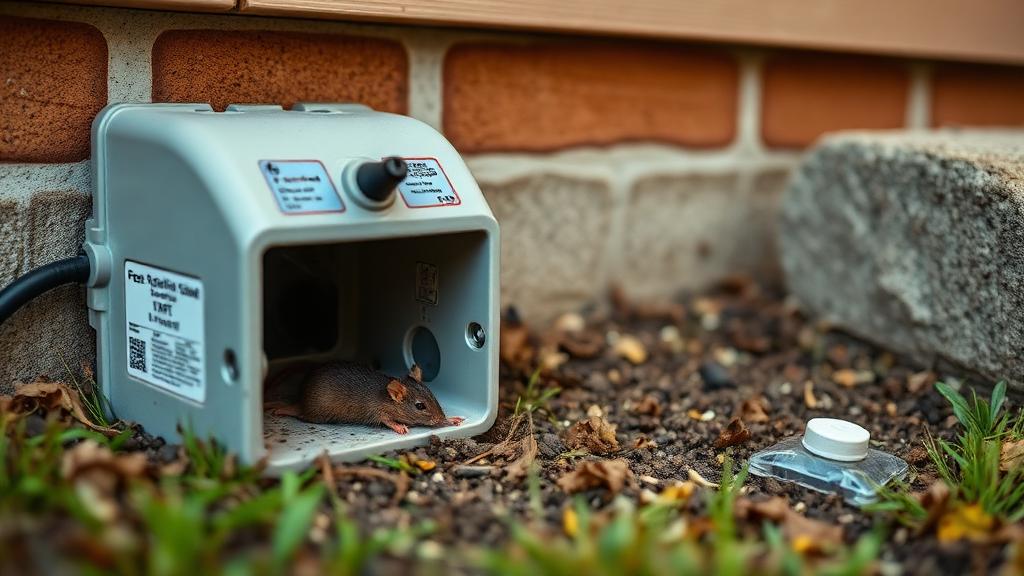
Yard treatment built for river country and rural acreage.
We find and treat the standing water where mosquitoes start.
We knock down adults in the shaded spots where they hide.
We know how the Canadian and Washita drive local pressure.
Recurring visits through mosquito season keep numbers down.
EPA-approved products applied carefully around your family.
Month-to-month service you can cancel anytime.
Rivers, lowlands, and rural water sources set the pace.
The northern border's brushy, damp ground breeds mosquitoes.
The southwest river corridor holds still water and shade.
Level ground drains slowly and holds water after rain.
Rural water features breed mosquitoes close to homes.
Tree cover gives adult mosquitoes daytime resting spots.
Small standing water near the house breeds hundreds fast.
We walk the yard to find breeding water and shaded resting areas.
We knock down adults and treat the standing water where larvae grow.
We point out the sources you can remove to cut breeding further.
We return through the season to keep mosquito numbers low.
We are close to the river and could not sit outside in summer. After treatment the backyard was usable again. They come back on schedule too.
Could not have had a better experience. They explained the plan, came out fast, and I saw results the first week. Highly recommend Armory.
He did an extra treatment on the first visit and came back after two weeks. The problem was gone in both houses. Very trustworthy.
Mosquito control works best when it targets both ends of the life cycle. Treating only adult mosquitoes leaves the breeding water untouched, so a fresh batch hatches within days. That is why we treat the standing water where larvae grow and knock down the resting adults in the shaded areas where they wait out the day.
In McClain County, the rivers set the calendar. The Canadian along the north and the Washita in the southwest hold the still bottomland water mosquitoes need, and yards near the water carry the heaviest pressure from late spring through early fall. Rural properties with ponds, stock tanks, and slow-draining lowlands add breeding sites well away from the rivers.
A single visit helps for a few weeks, but mosquito season runs long in central Oklahoma. A recurring plan through the warm months keeps numbers down as new water sources appear after each rain. We also flag the containers and low spots you can drain yourself, since removing standing water is the most effective step of all.
Get a free inspection from a licensed, veteran-owned team that knows the county's river country. We treat breeding sites and resting adults, with seasonal plans, no contracts, and same-day service from Newcastle to Purcell.