
Dryer Vents
Loose or damaged vent covers are an easy entry for mice.
Veteran-Owned · Exclusion-First
We do not just set traps and leave. Armory removes mice and rats, then seals the gaps they use to get in, so the rodents stay out for good.
Rodents are more than a nuisance. They carry disease, contaminate food, ruin insulation, and chew through electrical wiring, which is a leading cause of unexplained house fires. Scratching in the walls means it is time to act.
Most companies set a few traps and leave. That removes the rodents you have today but does nothing to stop the next ones from following the same path inside. The problem simply returns.
Armory works in phases: inspect the property, trap and remove what is there, then seal every entry point. Exclusion is the step that actually keeps rodents out, and it is what makes our results last.
Removal plus exclusion, done right.
We find entry points, runways, and nesting areas first.
Snap traps inside and bait stations outside, placed correctly.
We seal the gaps rodents use, keeping them out for good.
We inspect the spaces rodents nest in and damage.
Cleanup recommendations to remove droppings and odors.
Return visits confirm the rodents are gone.
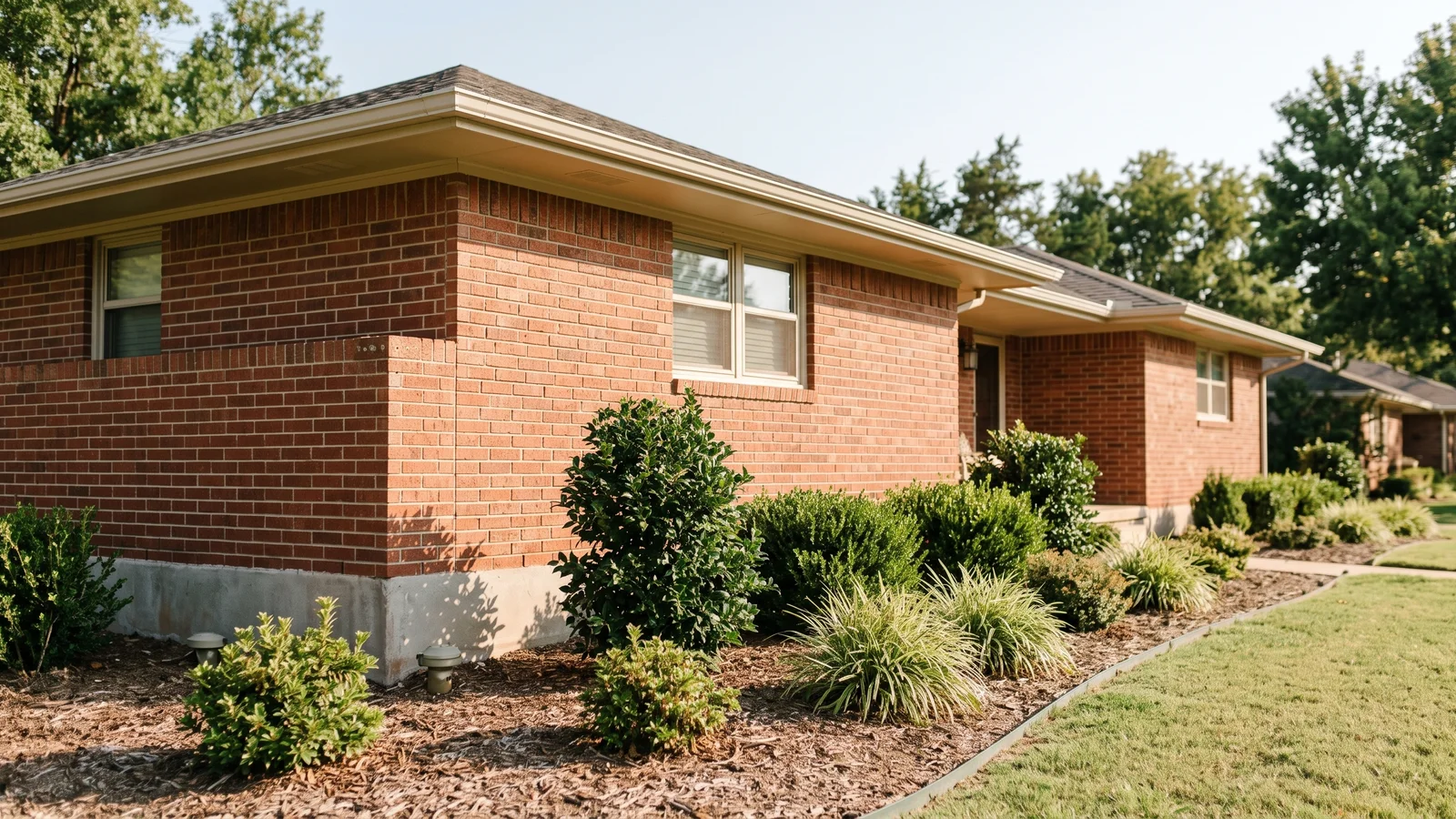
In OKC's older brick-and-block homes, rodents follow predictable paths inside.
Loose or damaged vent covers are an easy entry for mice.
Gaps in brick veneer that rodents use to slip behind walls.
Worn corner seals leave a gap rodents squeeze through.
Unsealed gaps where plumbing enters the foundation.
Roofline gaps that roof rats and mice exploit.
Cracks and expansion gaps along the slab and footing.
Damaged or uncapped lines that let rats up from below.
Gaps where the AC line set and utilities pass through the wall.
We identify entry points, runways, and harborage areas.
Snap traps inside and bait stations outside, placed correctly.
We seal entry points with steel and sealant.
A return visit confirms zero activity.
They came out and assessed my issue with mice. William was easy to talk to and took time to explain how they would get rid of them. I saw results the first week. Very happy.
Very knowledgeable and professional. I trust Armory at all of my properties. Quick to respond and gets the job done right.
Very satisfied with the professionalism and care. On time, thorough, and respectful of my home. I will keep using Armory.
Traps catch the rodents inside today, but they do nothing about the gap those rodents came through. Mice can slip through an opening the size of a dime, and rats through a hole the size of a quarter. Leave the gap, and new rodents follow the same scent trail in.
Exclusion is the difference between a temporary fix and a lasting one. By sealing entry points with steel and sealant, we close the door for good. That is why our process pairs trapping with thorough exclusion every time.
Sealing the structure once also pays off long term. You are not paying for repeat trapping season after season, which makes exclusion the most cost-effective part of real rodent control over the life of your home.
Rodents contaminate food and surfaces with droppings and urine, and they can spread disease through what they touch. Their nesting in attics and walls ruins insulation and leaves lingering odors that are hard to remove.
The bigger danger is fire. Rodents gnaw constantly, including on electrical wiring, which is a known cause of unexplained house fires. If you suspect rodent activity near electrical systems, it is worth acting quickly.
The damage adds up quietly, too. Rodents shred insulation for nests, foul stored items, and chew through ductwork and pipes. Catching an infestation early limits that destruction and the cleanup that comes with it.
Why store-bought traps rarely end a rodent problem.
| Armory | DIY Traps | National Chain | |
|---|---|---|---|
| Seals entry points (exclusion) | Sometimes | ||
| Attic and crawl inspection | Varies | ||
| Interior and exterior plan | |||
| Follow-up monitoring | Varies | ||
| No long-term contract |
Get a free inspection from a licensed, veteran-owned team. We trap, remove, and seal them out across the Oklahoma City metro.